




Rugged Alumina Ceramic Wear Liners
1. Product Overview
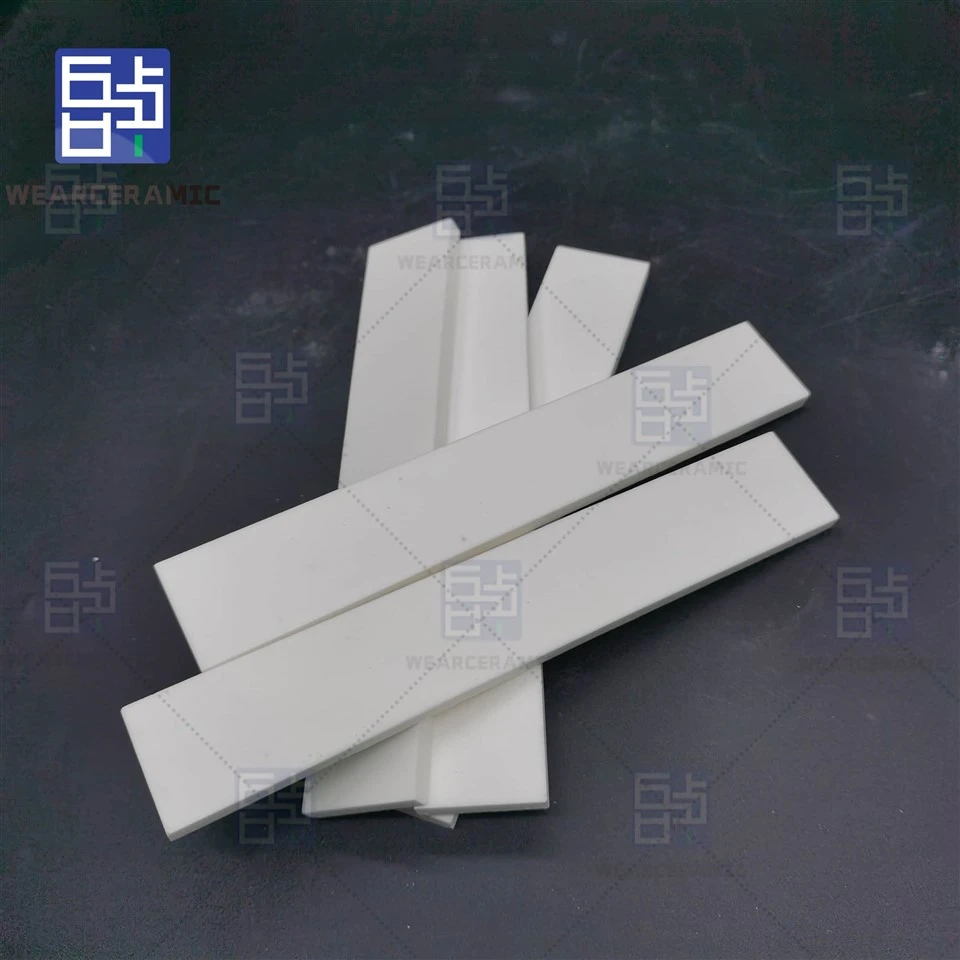
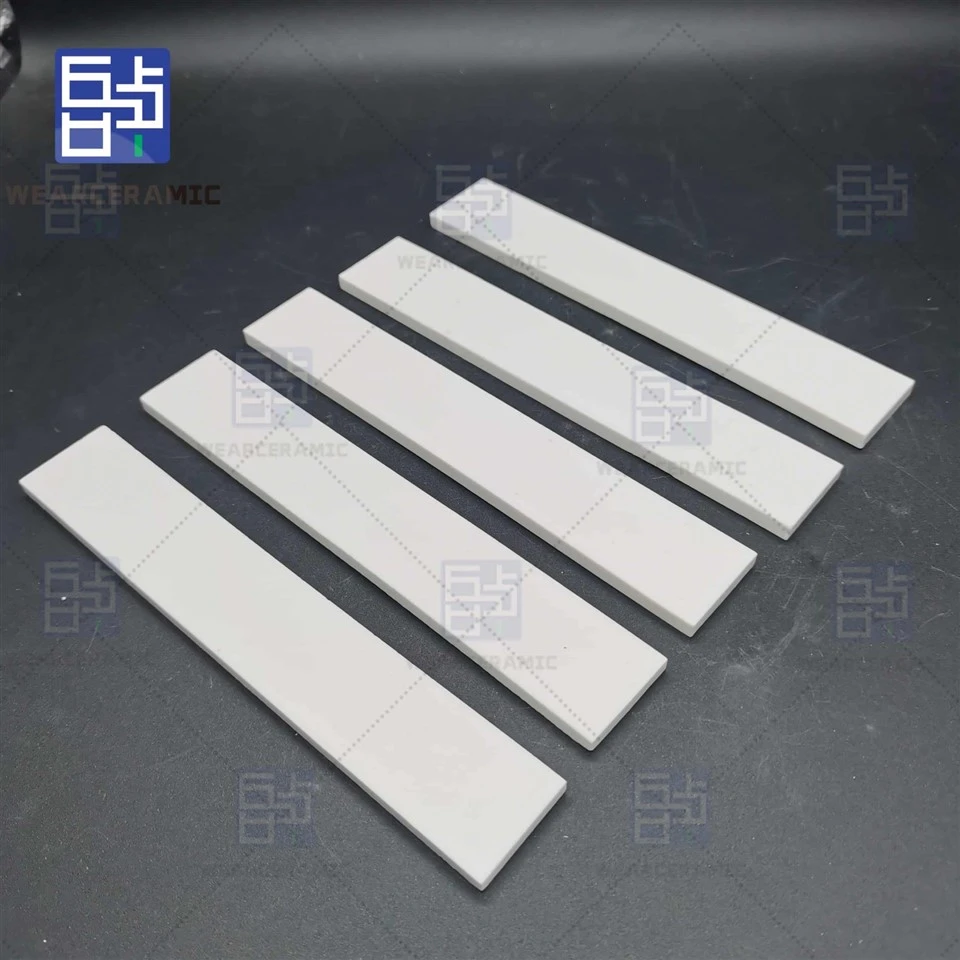
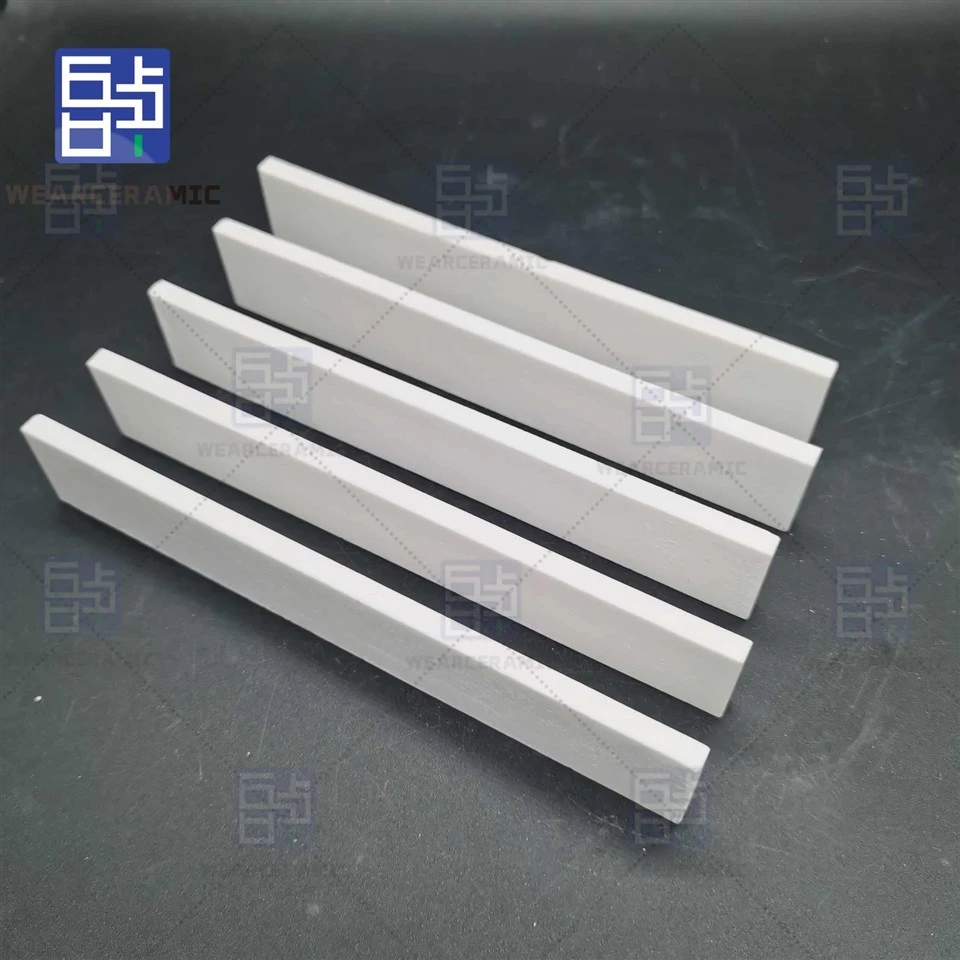
Ceramic wear liners are tailor-made abrasion-resistant structural ceramics fitted as internal protective layers for ball mills, blending tanks and material storage silos. Unlike metal liners and zirconia-reinforced composite lining blocks, this series adopts single high-alumina raw material, shaped via dry compression and sustained high-temperature firing. Its tight uniform crystal matrix delivers steady hardness and chemical passivity. Multiple custom profiles including curved, rectangular and trapezoidal pieces match varying mill inner radians, forming a gapless anti-wear barrier that buffers direct collision between raw ore and metal casings. A full spectrum of thickness options suits low to medium capacity continuous grinding workflows.
2. FABE & EEAT Systematic Breakdown
F – Core Product Traits
High-purity alumina feedstock sintered above 1530℃ to form dense, void-free microcrystalline texture
Versatile customizable profiles: flat, arched and irregular forms to match diverse grinding equipment interiors
Near-zero metal ion leaching, chemically inert toward kaolin, feldspar and pale glaze slurries
Balanced hardness and abrasion resistance, consistent material loss without massive flaking fine particles
Flexible thickness customization, compatible with horizontal grinding mills, batch agitator tanks and raw material binsEach production batch undergoes third-party material lab testing for hardness, acid resistance and wear loss, with complete traceable test documents provided.
A – Distinct Competitive Edges
Steel lining plates withstand heavy impact yet continuously shed iron contaminants, darkening light-toned mineral powder and ruining finished product whiteness. ZTA composite lining blocks deliver superior fracture resistance but carry higher upfront costs for regular medium-load grinding operations. Ceramic wear liners strike an optimal balance between budget and anti-contamination performance. Dense alumina crystals fully avoid metallic pollution; varied custom profiles achieve full-surface fitting without dead zones that trigger concentrated abrasion. Predictable wear rates extend service cycles, while standardized forming cuts on-site fitting work and eliminates complex field cutting procedures.
B – Tangible Operational Advantages for Buyers
Factories processing non-metallic minerals, construction ceramic raw materials and quartz powder can drastically lower equipment overhaul frequency after installing ceramic wear liners. Absence of iron impurities stabilizes raw material color and purity, minimizing defective batches and financial losses from client compensation. Slow abrasion stretches replacement intervals and reduces production halts required for equipment disassembly and servicing. Diverse profile options fit both new and legacy grinding machines, removing the need to remodel mill inner structures for installation and saving extra modification investment.
E – EEAT Credibility Proof
Our Zibo advanced ceramics facility runs independent dry-pressing shaping and high-temperature tunnel kiln production lines, holding ISO9001 quality accreditation and an in-house R&D lab focused on anti-abrasion ceramic materials. Our ceramic wear liners export to mineral processors across Southeast Asia and Central Asia, maintaining stable long-term partnerships with over 45 medium-capacity grinding manufacturers. One kaolin processing plant previously deployed steel liners, recording iron impurity levels of 0.08% in finished powder. After switching to ceramic wear liners, iron residues dropped below 0.001%, and liner service lifespan rose by 90%. Custom outlines, arc radians and thicknesses can be manufactured based on customers' equipment engineering drawings.
3. Application Scenarios
This ceramic wear liner series targets medium-load abrasion protection projects with strict raw material purity standards. It is widely laid along inner walls of horizontal ball mills, raw material homogenization silos and mixing agitator tanks for kaolin, feldspar, quartz and general ceramic clay treatment. It can be fully paved as complete lining or partially laid on high-friction sections to boost local wear resistance.
4. CTA
Seeking cost-efficient contamination-free lining components for ball mills and raw material silos? Get in touch with our technical engineers to receive complimentary abrasion test reports, custom liner layout drawings and factory-direct bulk wholesale pricing. Our material specialists design targeted lining configuration plans to prolong equipment service life and slash long-term maintenance expenses.
5. FAQ
Q: What raw materials are used to produce ceramic wear liners?A: They are sintered from high-purity alumina powder under constant high temperature, free of zirconia or metallic compositions.
Q: Why pick ceramic wear liners over steel liners for pale mineral raw material processing?A: All-alumina construction releases no iron impurities, reliably preserving the whiteness and purity of light-colored mineral powder.
Q: Can custom curved and trapezoidal profiles be produced to fit unique equipment?A: We adjust liner shapes, radians and thickness parameters according to your mill or silo structural drawings.
Q: Will these liners react chemically with acidic mineral slurry?A: Compact alumina crystals feature strong acid and alkali resistance, compatible with most neutral and weakly acidic raw slurries.
Q: What is the lead time for bulk orders of standard-size ceramic wear liners?A: Regular specifications remain in stock; bulk shipments will be dispatched 7–15 working days after deposit confirmation.
Hot Tags: rugged alumina ceramic wear liners, manufacturers, suppliers, factory, price, made in China, alumina ceramic cylinder, ball mill lining, ceramic tile liner, chute wear liners, Curved Pipe Tile Liner, Weldable Wear Plate Lining Ceramic Plate
You Might Also Like


Send Inquiry