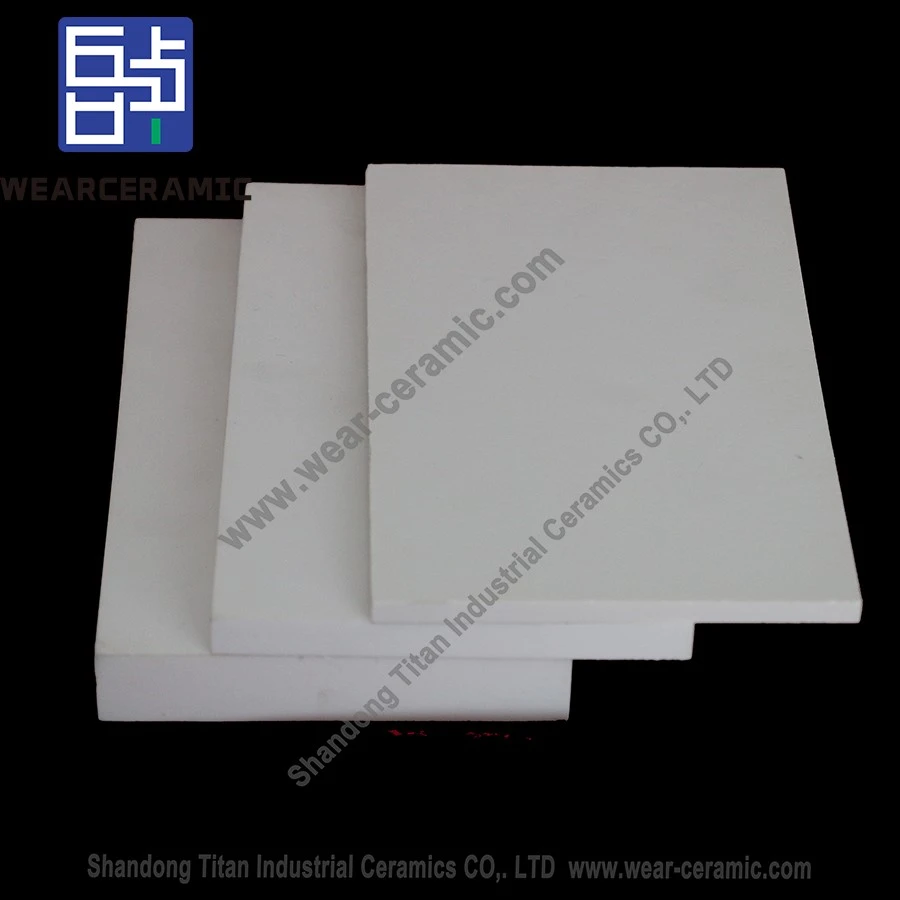

Industrial ceramics are a class of advanced engineering materials that offer superior performance over traditional metallic materials.We will explore the key differences between industrial ceramics and traditional metallic materials.
1. Resistance to Wear and Corrosion
Industrial ceramics are highly resistant to wear and corrosion, making them suitable for use in harsh environments. In contrast, traditional metallic materials are prone to wear and corrosion, which limits their use in certain industrial applications.
2. Strength and Hardness
Industrial ceramics are known for their high strength and hardness, making them ideal for use in applications where durability is essential. Traditional metallic materials, while strong, may lack the necessary hardness needed for certain demanding applications.
3. Thermal Stability
Industrial ceramics can withstand extreme temperatures without deformation or degradation, making them ideal for use in high-temperature environments. In contrast, traditional metallic materials may undergo thermal deformation or deterioration at high temperatures.
4. Electrical and Magnetic Properties
Industrial ceramics have unique electrical and magnetic properties, making them ideal for use in various electronic and magnetic applications. Traditional metallic materials may not have the same level of electrical and magnetic properties needed for these same applications.
5. Design Flexibility
Industrial ceramics allow for greater design flexibility compared to traditional metallic materials. Because ceramics can be made into a wide range of shapes and sizes, they can be custom designed to fit specific industrial applications.
In conclusion, industrial ceramics have several advantages over traditional metallic materials. They are highly resistant to wear and corrosion, offer superior strength and hardness, provide thermal stability, possess unique electrical and magnetic properties, and allow for greater design flexibility. These advantages make industrial ceramics a preferred engineering material for many industrial applications, ranging from aerospace to medical devices.